A 7-Day Low-Sodium Meal Plan
General guidance, not medical advice. Sodium limits are individual — blood pressure, heart and kidney conditions each change the target — so use the daily number your care team gives you. Full disclaimer.
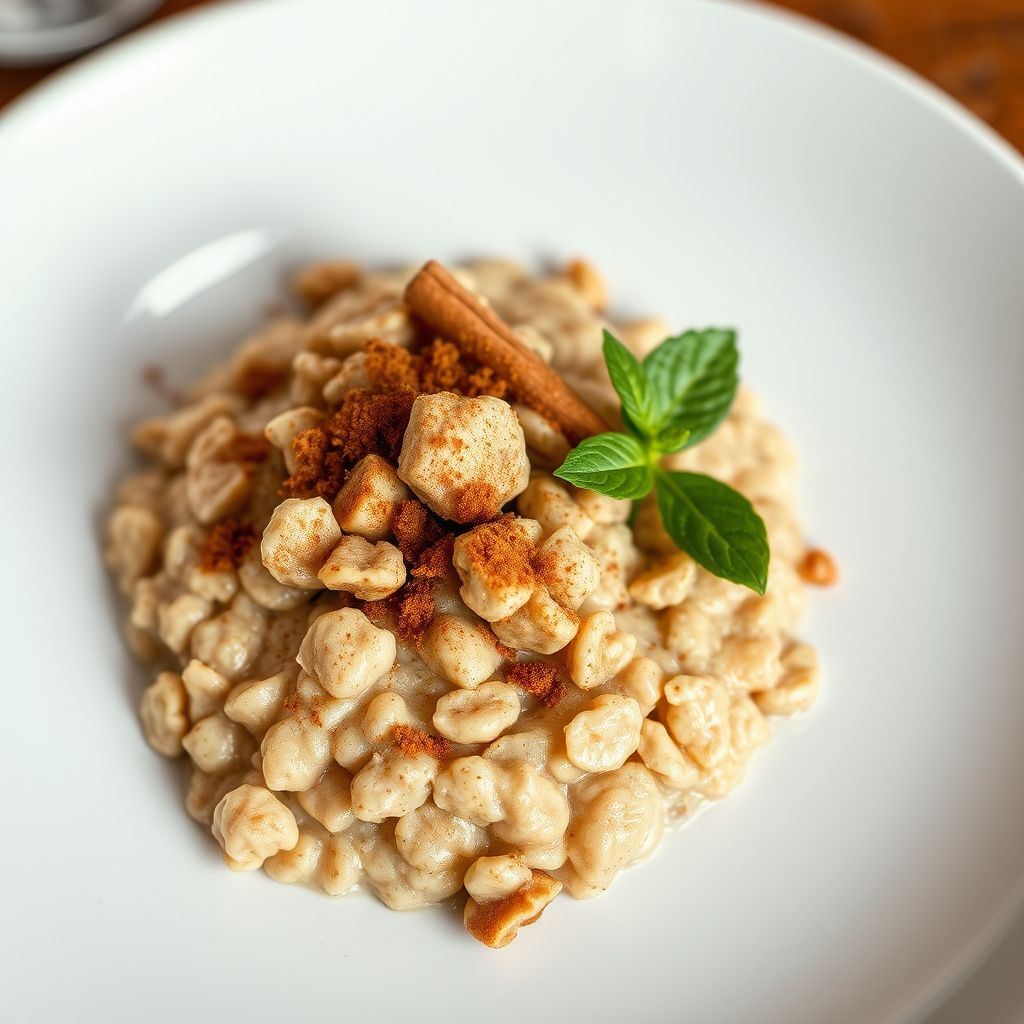
Sodium is the number nobody can see. It isn’t the salt shaker — it’s the bread, the cheese, the sauce, the deli meat — and because it’s invisible, most people cutting back have no idea whether a day landed at 1,500 mg or 4,000.
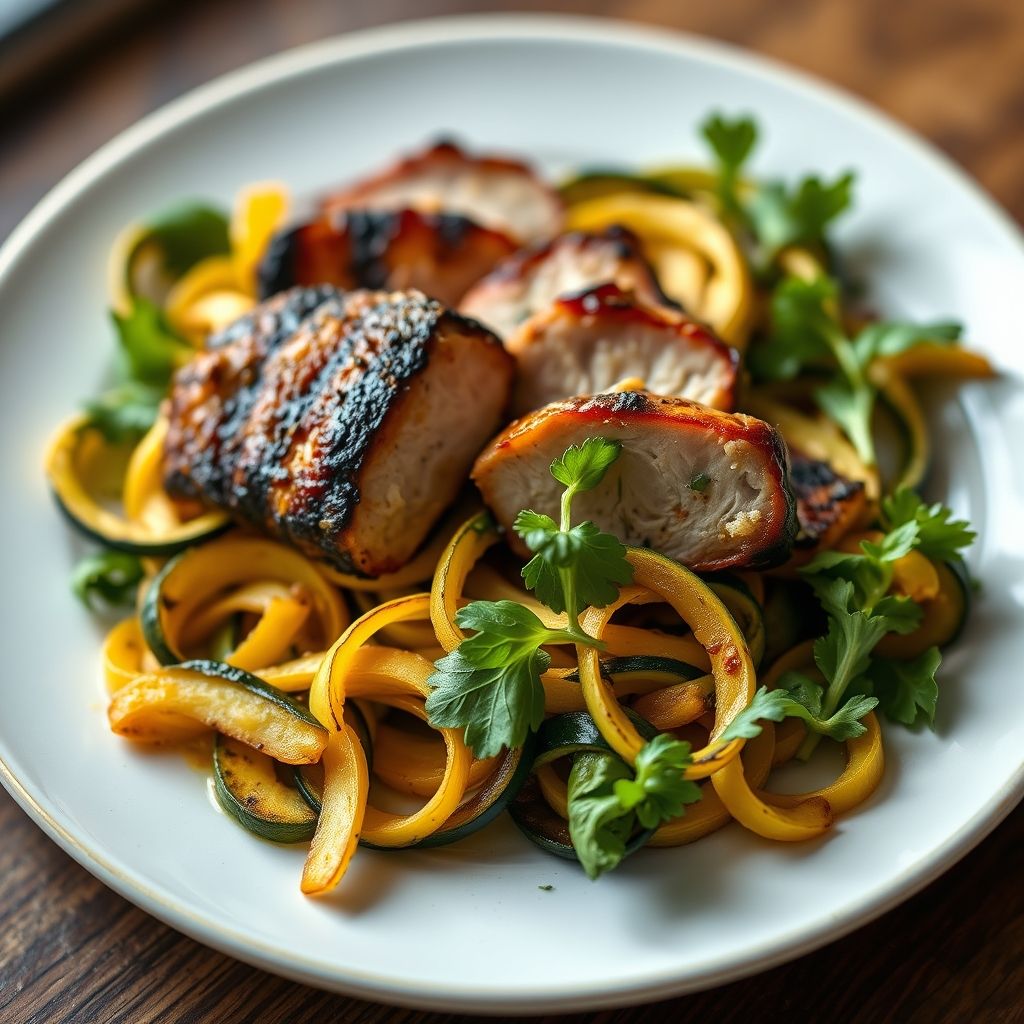
This is a complete 7-day example week from real recipes here, with the sodium printed on every meal. Every dish lands under 500 mg per serving, and each day is totalled so you can watch the week holding under a cap.
Sodium (Na) is a per-serving estimate from each recipe’s nutrition panel — steer by the daily totals, where estimate error washes out. Tap any dish for the full recipe and complete nutrition.
Day 1


Day 2



Day 3



Day 4



Day 5



Day 6


Day 7
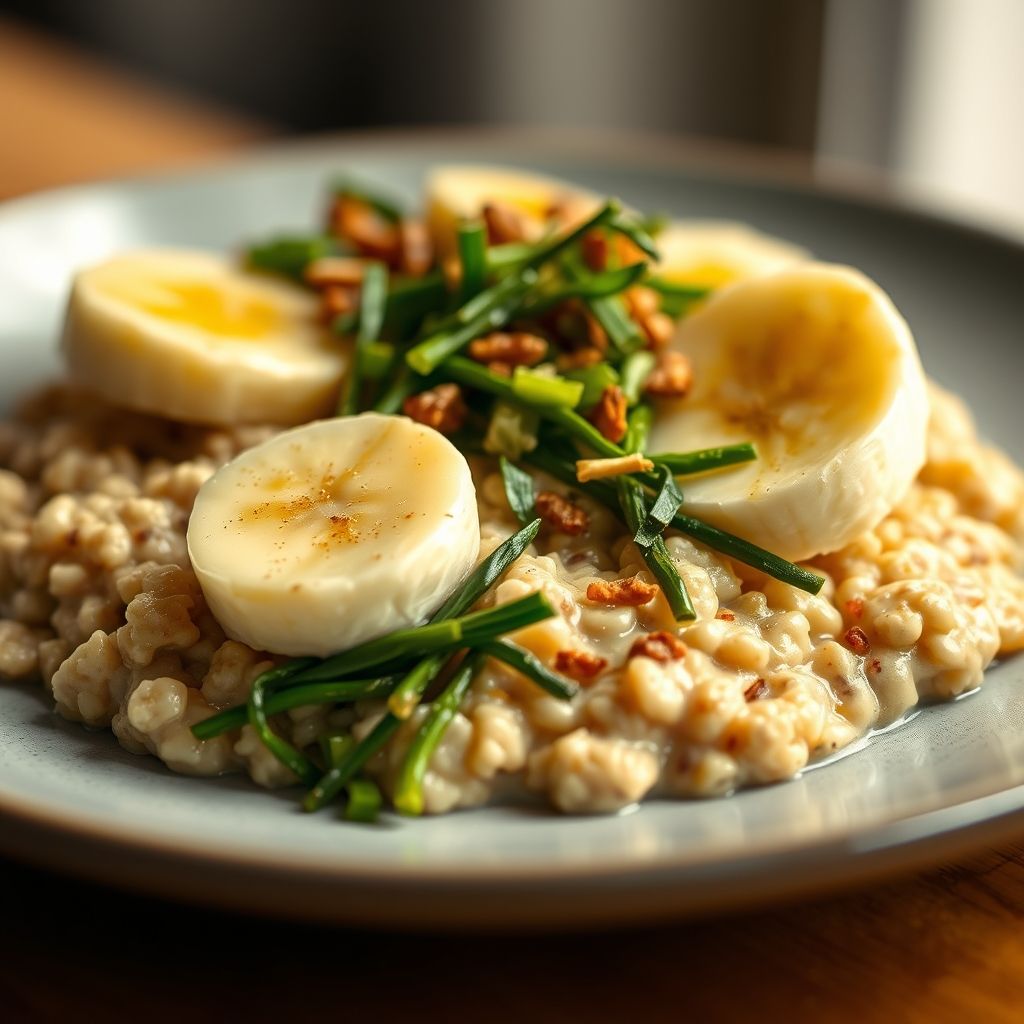


Sodium values are per-serving estimates — good enough to steer a week by, not lab measurements. That’s why the useful figure is the daily total, where estimate error washes out across three meals, rather than any single dish. The commonly cited ideal for people watching blood pressure is 1,500 mg a day and general guidance uses 2,300 mg, but the right cap depends on your conditions and medications.
Roughly 70% arrives in processed and restaurant food before you touch a salt shaker, so a home-cooked week is already the single biggest intervention available. Learn the heavy hitters: cured meats, hard cheeses, canned stocks, soy and fish sauces, pickles, and bread — ordinary sandwich bread can carry 200 mg a slice.
Set a daily sodium cap — 1,500 mg is a built-in preset, or enter your care team’s number. Every meal and day then shows its sodium against the cap, anything over gets flagged, and one tap rewrites an offender into a lower-sodium version.
No — organizational help, not medical advice. Your daily sodium target belongs with your doctor.
Under 500 mg of sodium per serving, with the number printed on the dish rather than hidden. Three meals under that bar keeps a day near 1,500 mg.
It’s the commonly cited ideal for managing blood pressure and the planner’s strictest preset. General guidance uses 2,300 mg, and medications move it.
Usually not by itself: renal diets typically cap potassium and phosphorus too, and those need verified values rather than estimates.