A 7-Day Low-Cholesterol Meal Plan
General guidance, not medical advice. Cholesterol management is a clinical matter — food is one factor among several, and treatment decisions belong with your doctor. Full disclaimer.
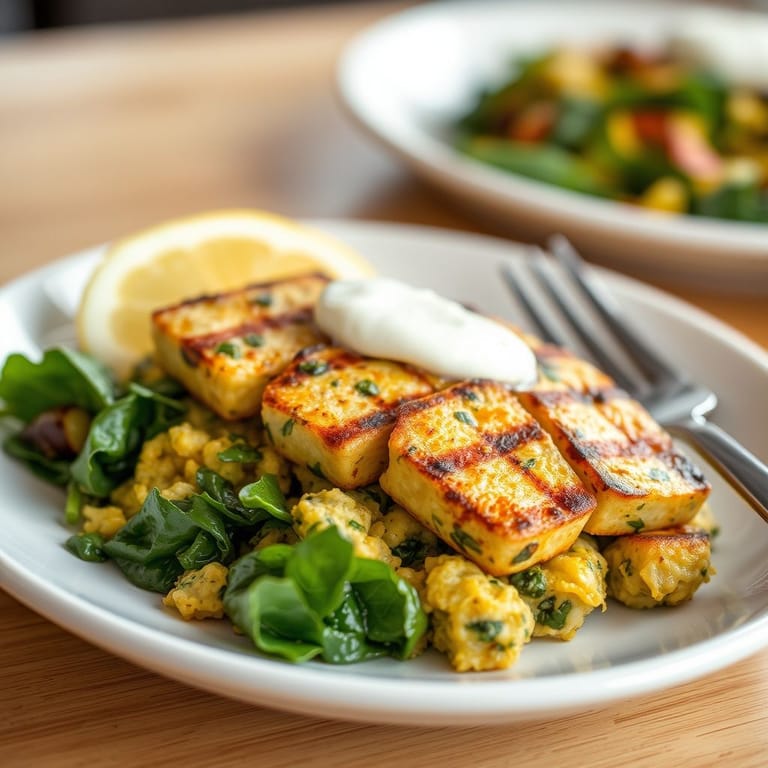
Eating to lower cholesterol is one of the best-understood patterns in nutrition — less saturated fat, more soluble fibre, plant oils over butter — and one of the hardest to live, because it has to hold across every meal, not just the virtuous ones.
This is a complete 7-day example week from real recipes here. Every dish carries at most 100 mg of cholesterol and 5 g of saturated fat per serving, both verified against USDA data.
Cholesterol and saturated fat are per serving and verified against USDA data; fiber and calories are per-serving estimates. Tap any dish for the full recipe and complete nutrition.
Day 1

Day 2



Day 3
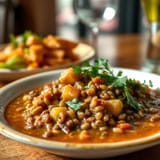
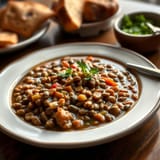
Day 4

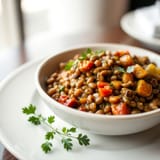

Day 5



Day 6

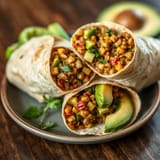
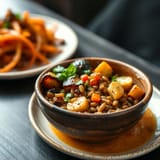
Day 7

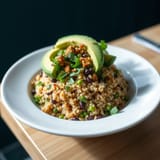
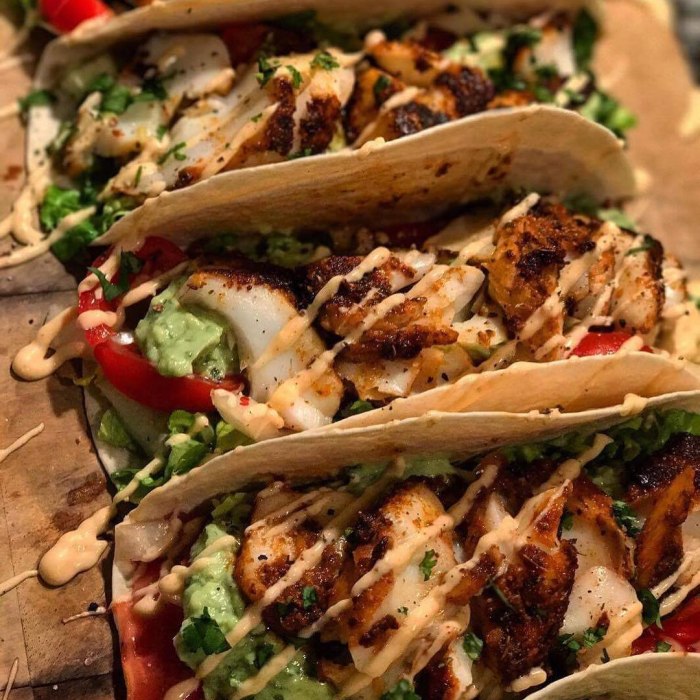
A dish whose values can’t be verified against a USDA-derived database is never shown as low-cholesterol. Both bars must pass, because a low cholesterol number alone can hide a lot of butter. Cholesterol-lowering patterns commonly aim for under about 200 mg of dietary cholesterol and 13–15 g of saturated fat a day — but your own targets belong to your doctor or dietitian.
Saturated fat moves blood cholesterol more than dietary cholesterol does for most people, which is why every dish clears a saturated-fat bar too: butter and fatty red meat toward olive oil, fish, legumes and poultry. Soluble fibre is the other lever — oats, beans, barley and lentils bind cholesterol in digestion.
Turn on the low-cholesterol profile and every generated meal, swap and side leans the right way — minimal saturated fat, soluble-fibre-forward, plant oils first — with per-meal numbers totalled against your daily goals.
No — organizational help, not medical advice. Managing your cholesterol, including medication, belongs with your doctor.
A verified double bar: at most 100 mg of cholesterol and 5 g of saturated fat per serving, both grounded against USDA data.
No promises — food is one factor among genetics, activity and medication. Measuring the result is what a lipid panel is for.
The plan is just food, and follows the same pattern usually recommended alongside treatment. Follow your prescriber’s advice.