← Plate Planner

A 7-Day High-Protein Meal Plan

General guidance, not medical or dietary advice. Protein needs are individual — and with kidney disease, protein targets are a clinical decision, so follow your care team’s numbers. Full disclaimer.
Most people who “eat more protein” do it in one giant dinner. Muscle doesn’t work that way: it responds to protein meal by meal, which makes a 60-gram dinner after a 5-gram breakfast mostly a missed opportunity. The practical shape of the advice is boring and hard to plan — a solid dose of protein at every single meal, twenty-one times a week.

This guide is a complete 7-day example week built from real recipes in the Plate Planner library. Every dish below carries at least 25 grams of protein per serving — breakfast included, which is where most weeks fall down — with the number printed on every meal. Tap any dish for its full ingredients, method and complete nutrition.

The week at a glance

Protein, calories and carbs are per-serving estimates from each recipe’s nutrition panel. Tap any dish for the full recipe and complete nutrition.

Day 1

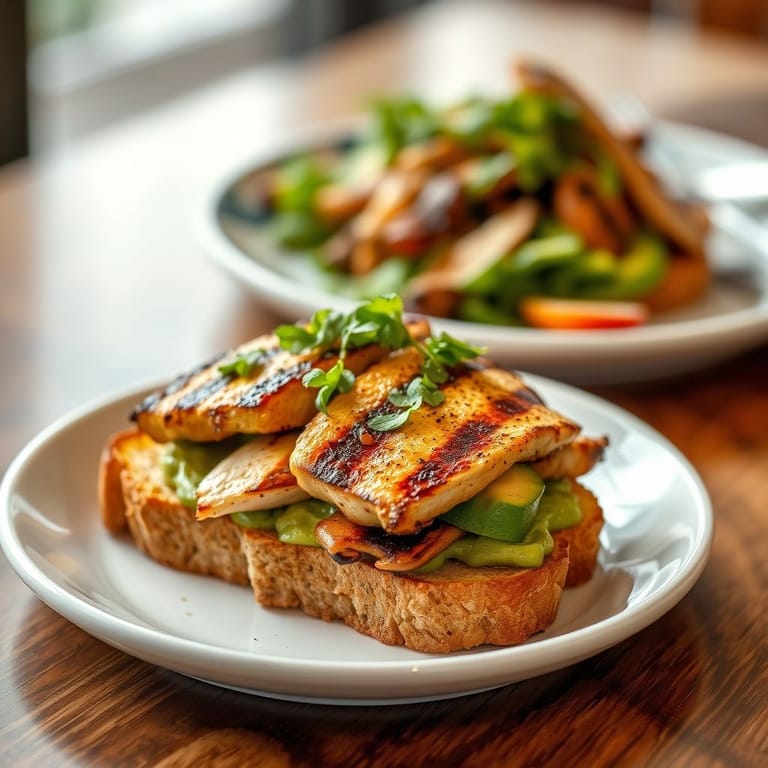
BreakfastGrilled Chicken and Avocado Toast65g protein · 690 kcal · 23g carbsLunchGrilled Chicken and Roasted Red Pepper Wrap134g protein · 1047 kcal · 60g carbsDinnerGreek-Style Stuffed Chicken128g protein · 903 kcal · 14g carbs
Day total: 327g protein · 2,640 kcal — common reference points run ~0.8 g/kg of body weight as a baseline and 1.2–1.6 g/kg for active people, older adults and weight loss

Day 2

BreakfastGreek-Style Grilled Salmon and Omelette44g protein · 577 kcal · 4g carbsLunchGrilled Chicken and Spinach Skewers125g protein · 826 kcal · 12g carbsDinnerBraised Beef and Carrot Stew102g protein · 716 kcal · 11g carbs
Day total: 271g protein · 2,119 kcal — common reference points run ~0.8 g/kg of body weight as a baseline and 1.2–1.6 g/kg for active people, older adults and weight loss

Day 3

BreakfastTofu and Mushroom Frittata42g protein · 527 kcal · 8g carbsLunchCumin and Paprika Grilled Chicken104g protein · 816 kcal · 8g carbsDinnerBaked Salmon with Quinoa91g protein · 1144 kcal · 47g carbs
Day total: 237g protein · 2,487 kcal — common reference points run ~0.8 g/kg of body weight as a baseline and 1.2–1.6 g/kg for active people, older adults and weight loss

Day 4

BreakfastGreek-Style Omelette38g protein · 585 kcal · 20g carbsLunchTahini Chicken Shawarma103g protein · 1053 kcal · 79g carbsDinnerKung Pao Chicken79g protein · 587 kcal · 12g carbs
Day total: 220g protein · 2,225 kcal — common reference points run ~0.8 g/kg of body weight as a baseline and 1.2–1.6 g/kg for active people, older adults and weight loss

Day 5

BreakfastBreadfruit Tacos37g protein · 544 kcal · 63g carbsLunchGrilled Chicken and Vegetable Skewers with Paprika85g protein · 506 kcal · 16g carbsDinnerGrilled Salmon70g protein · 851 kcal · 7g carbs
Day total: 192g protein · 1,901 kcal — common reference points run ~0.8 g/kg of body weight as a baseline and 1.2–1.6 g/kg for active people, older adults and weight loss

Day 6

BreakfastSpinach and Mushroom Frittata37g protein · 597 kcal · 14g carbsLunchGrilled Chicken and Citrus Salad83g protein · 716 kcal · 12g carbsDinnerGrilled Chicken Breast with Lemon and Herb Crust66g protein · 523 kcal · 24g carbs
Day total: 186g protein · 1,836 kcal — common reference points run ~0.8 g/kg of body weight as a baseline and 1.2–1.6 g/kg for active people, older adults and weight loss

Day 7

BreakfastLemon-Herb Shrimp Omelette35g protein · 450 kcal · 15g carbsLunchGrilled Chicken Shawarma Wrap80g protein · 1018 kcal · 63g carbsDinnerGrilled Chicken Fajita66g protein · 1276 kcal · 201g carbs
Day total: 181g protein · 2,744 kcal — common reference points run ~0.8 g/kg of body weight as a baseline and 1.2–1.6 g/kg for active people, older adults and weight loss
Printed from Plate Planner — the free planner that rebuilds this week around your own numbers · plateplanner.ai/guides/7-day-high-protein-meal-plan
How this plan handles the numbers

Protein values are per-serving estimates from each recipe’s nutrition panel — planning numbers for shaping a week, not lab measurements. Three meals at 25 g+ puts a day’s floor around 75 g before snacks; the days in this plan mostly land higher, and the total under each day shows exactly where.

How much you should aim for depends on you. General guidance starts near 0.8 g per kilogram of body weight a day; active people, older adults and anyone eating in a calorie deficit are commonly advised 1.2–1.6 g/kg or more. Pick your number — the plan’s job is making it arrive spread across the week.

What protein-forward actually buys you

Satiety, first. Protein is the most filling thing you can put on a plate per calorie — which is why protein-forward weeks quietly make every other goal easier, from cutting snacking to holding a calorie target without feeling robbed.

Muscle protection, second — and not just for lifters. From mid-life onward everyone loses muscle by default, and losing weight accelerates it; protein spread across the day, paired with using the muscle, is the counter-move. The 25-gram floor per meal exists because that’s roughly the dose that wakes muscle-building up each time.

Variety is what makes it stick. A high-protein week that’s chicken breast seven ways collapses by Thursday — this plan rotates fish, legumes, dairy, tofu, eggs, beef and poultry so the bar is met without the boredom that breaks the habit.

Turning this into your plan

In the planner, set your daily protein goal and generate a week — every meal, swap and side leans protein-forward, and your dashboard totals each day against the target with the rings filling as you plan. It stacks with any diet (a vegetarian high-protein week is one toggle away) and with the GLP-1 profile, which raises the protein bar automatically. Free, no account needed.

Build this week around your own target. Set a daily protein goal and the planner generates protein-forward weeks — every meal pulling its weight, every day totalled against your number. Free, no account needed.

Plan my high-protein week →
Common questions
Is this plan medical advice?

No — it’s an example week of protein-forward meals, built to organize cooking. Individual protein targets, especially with kidney disease or other conditions, belong with your doctor or dietitian.

What makes a recipe “high-protein” here?

At least 25 grams of protein per serving, based on each recipe’s per-serving nutrition estimate — every meal of the week, breakfast included. That per-meal floor, not any single big dish, is what makes a day genuinely high-protein.

How much protein should I eat in a day?

It’s individual. Common reference points: ~0.8 g per kilogram of body weight as a general baseline, and 1.2–1.6 g/kg (sometimes more) for active people, older adults, or during weight loss. This week’s days mostly land in the 80–110 g range — set your own target in the planner and let it total against you.

Can I do this plant-based?

Yes — profiles stack, so a vegetarian or vegan week with a high protein target is one toggle plus a goal. Expect legumes, tofu, tempeh and dairy (or its alternatives) doing the heavy lifting, and the same per-meal numbers shown so you can see the bar being met.

Keep going
Plate Planner · Terms & Privacy · Disclaimer