A 7-Day GLP-1-Friendly Meal Plan
General guidance, not medical advice. This plan doesn’t interact with any medication — it just organizes food. Follow your prescriber’s and dietitian’s guidance, especially on protein and calorie targets. Full disclaimer.
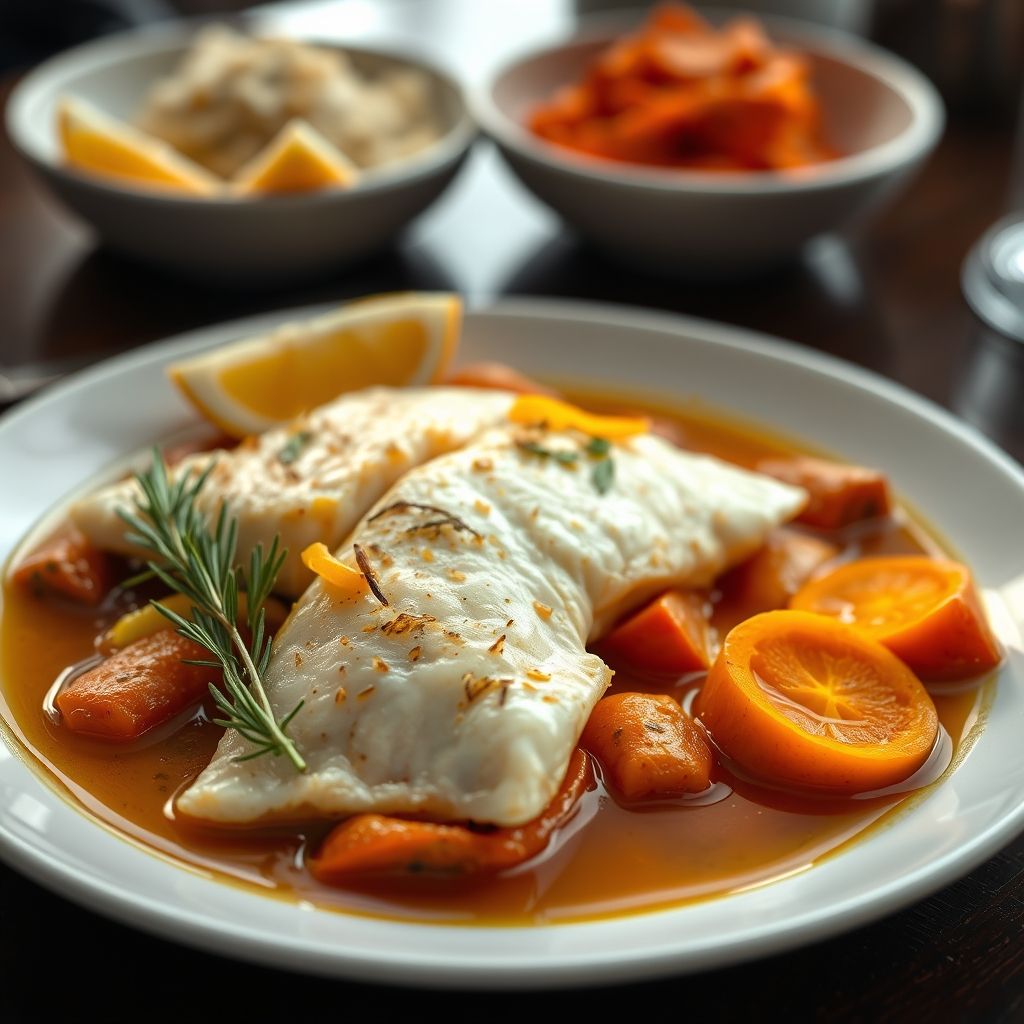
Appetite-reducing medication changes the problem of eating. On a small plate every bite has to carry its weight — above all protein, so the weight you lose is fat and not muscle.
This is a complete 7-day example week from real recipes here. Every dish carries at least 25 g of protein in a portion under 550 calories, so a smaller meal still does its job.
Protein and calories are per-serving estimates from each recipe’s nutrition panel. Tap any dish for the full recipe and complete nutrition.
Day 1
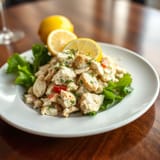
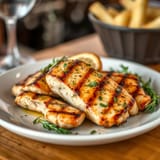
Day 2

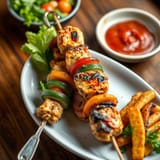
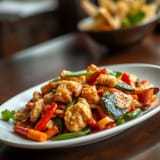
Day 3

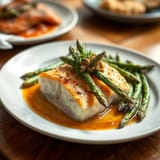
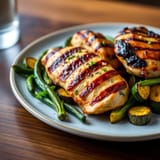
Day 4

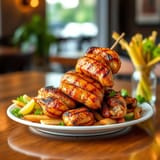
Day 5
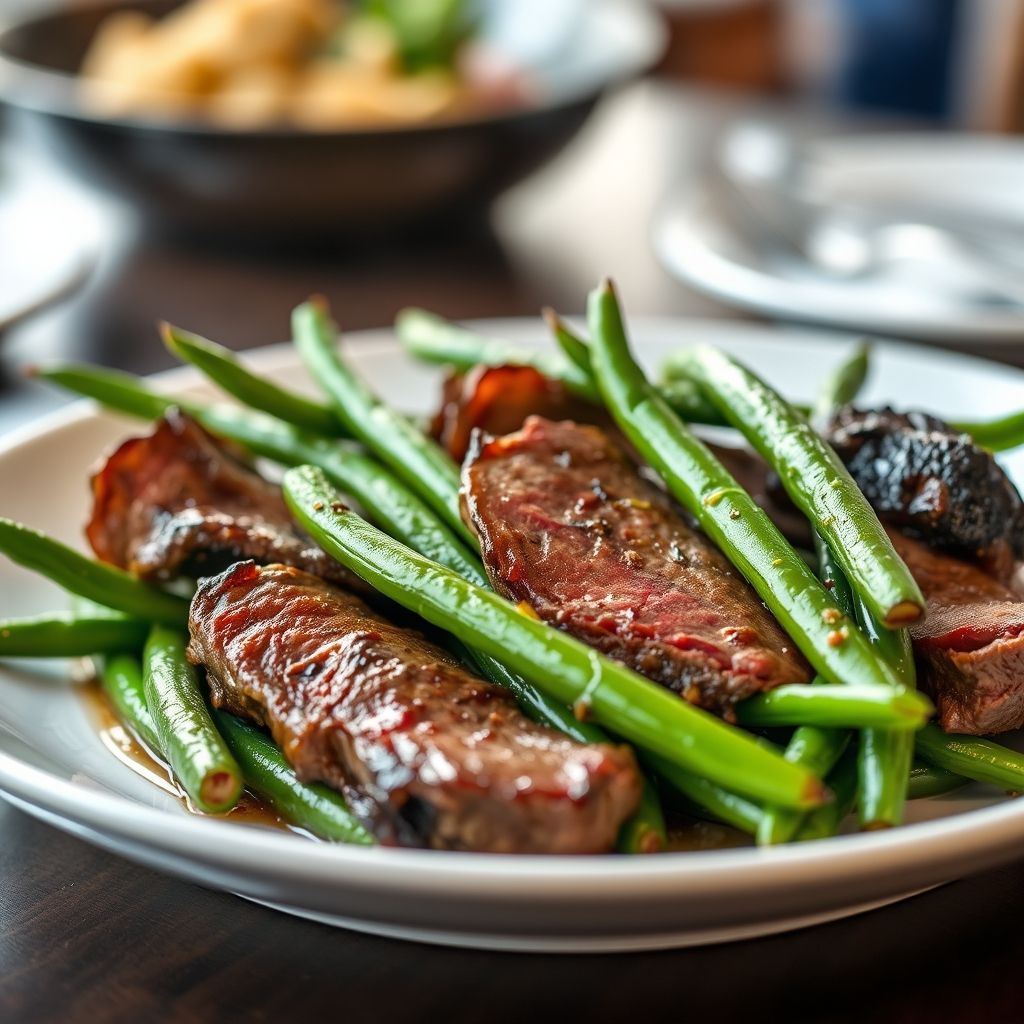
Day 6

Day 7


Intake drops fast on these medications, and without enough protein a meaningful share of the weight lost is lean muscle. Dietitians commonly aim for 1.2–1.6 g per kilogram of body weight a day, spread across meals — three at 25–35 g each is the practical shape of that, and the bar every dish here clears. The numbers are per-serving estimates: a guide for shaping the week, not lab measurements.
Protein first on the plate — you will fill up halfway through, and having eaten the chicken before the rice means the meal still did its job. Half now, half later is a strategy, not a failure. On rough days: plainer versions of the same dishes, protein kept. Fibre and fluids blunt the constipation these medications commonly cause.
Turn on the GLP-1 profile once and every generated meal, swap and side is shaped for it — protein-forward, portion-smart, gentle on the stomach — with your daily protein target raised automatically to protect muscle.
No — it’s a week of meals, built to organize cooking. Dosing, side effects and clinical targets belong with your prescriber.
At least 25 g of protein in a portion under 550 calories — the protein-first, smaller-portion pattern these medications call for.
The appetite-reduction pattern shared by semaglutide and tirzepatide brands — Ozempic, Wegovy, Mounjaro, Zepbound and similar. It applies whichever you’re on.
Expected, and fine. Eat the protein first, save the rest, and let the daily total be the scorecard rather than any single meal.